Brazil is a country in South America. It is the world's fifth largest country. The country has approximately 201 million people. The capital of Brazil is Brasília.


The climate of Brazil comprises a wide range of weather conditions across a large area and varied topography, but most of the country is tropical. According to the Köppen system, Brazil hosts five major climatic subtypes: equatorial, tropical, semiarid, highland tropical, temperate, and subtropical. The different climatic conditions produce environments ranging from equatorial rainforests in the north and semiarid deserts in the northeast, to temperate coniferous forests in the south and tropical savannas in central Brazil.


Brazil has the world's largest rainforest, the Amazon Rainforest. It makes up 40% of the country's land area. Brazil also has other types of land, including a type of savanna called cerrado, and a dry plant region named caatinga.
Brazil's large territory comprises different ecosystems, such as the Amazon rainforest, recognized as having the greatest biological diversity in the world, with the Atlantic Forest and the Cerrado, sustaining the greatest biodiversity. In the south, the Araucaria pine forest grows under temperate conditions. The rich wildlife of Brazil reflects the variety of natural habitats. Scientists estimate that the total number of plant and animal species in Brazil could approach four million, mostly invertebrates.

The most important cities are Brasília, Belém, Belo Horizonte, Curitiba, Florianópolis, Fortaleza, Goiânia, Manaus, Porto Alegre, Recife, Rio de Janeiro, Salvador, São Paulo (the biggest city) and Vitória.
Brazil is divided into 26 states plus the Federal District in five regions (north, south, northeast, southeast and centre-west):

- North: Acre, Amazonas, Rondônia, Roraima, Pará, Amapá, Tocantins
- Northeast: Maranhão, Pernambuco, Ceará, Piauí, Rio Grande do Norte, Paraíba, Alagoas, Sergipe, Bahia
- Centre-West: Goiás, Mato grosso, Mato Grosso do Sul, Distrito Federal/ Federal District
- Southeast: São Paulo, Rio de Janeiro, Espírito Santo, Minas Gerais
- South: Paraná, Santa Catarina and Rio Grande do Sul
The country is the fifth largest in the world by area. It is known for its many rainforests and jungles.
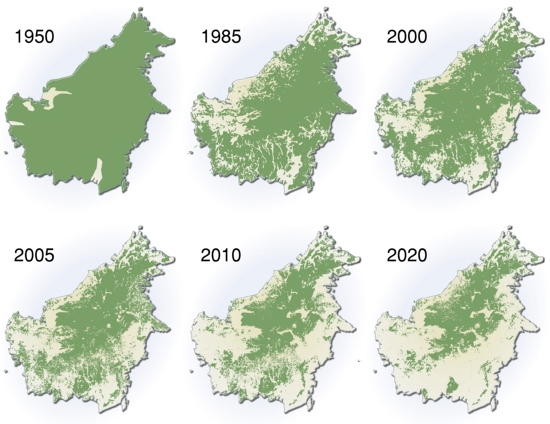
Like other places in the tropics, deforestation in Brazil is increasingly the result of urban consumption and trade rather than subsistence agriculture.
Today deforestation in the Amazon is the result of several activities, the foremost of which include:
- Clearing for cattle pasture
- Colonization and subsequent subsistence agriculture
- Infrastructure improvements
- Commercial agriculture
- Logging


People and culture
Brazil is the largest country in South America and the largest economy in Latin America. Its people include people of Portuguese or other European descent, African descent, and native Amerindians, as well as many people of mixed origins. Brazil also has the biggest number of Japanese descendents outside Japan.